Pediatric dentistry is a specialized area of dental care that caters to young patients’ dental requirements from infancy through adolescence. We must ensure our children have healthy smiles and a positive attitude toward dental care as they grow up.
Why Pediatric Dentistry Matters
Dental health in children involves more than just their baby teeth. It lays the groundwork for their oral health for the rest of their lives. Since pediatric dentists are specially trained to comprehend young patients’ special requirements and worries, going to the dentist can be a pleasant experience. Adult dental problems can be avoided through early intervention and preventive care.

Pediatric dentists offer the following services:
1. Dental check-ups are necessary to monitor a child’s tooth development and spot any potential problems before they become serious. Usually, these exams are conducted in a welcoming, child-friendly setting.
2. Professional dental cleanings help remove plaque and tartar accumulation, which lowers the risk of cavities and gum disease. The proper ways to brush and floss their teeth are taught to kids.
3. Fluoride treatments for teeth: Fluoride fortifies tooth enamel, increasing its resistance to decay. To help protect children’s teeth, pediatric dentists frequently administer fluoride treatments.
4. Dental sealants: To guard against cavities, thin, protective coatings called sealants are placed on the chewing surfaces of molars. They work particularly well in areas that are prone to cavities.
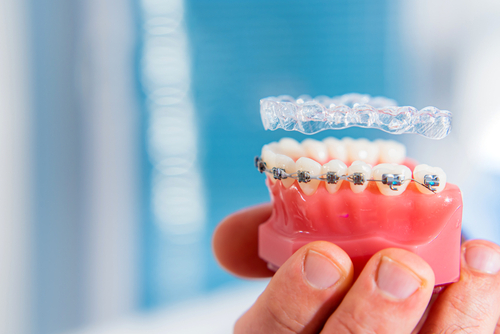
5. Orthodontic Evaluation: If necessary, pediatric dentists may suggest orthodontic treatment after examining the alignment of children’s teeth.
6. Behavior Management: Pediatric dentists are experts at handling the special anxieties and behaviors of young patients, ensuring a relaxing and stress-free dental experience.
The Importance of Early Dental Care
Early dental care is essential for a number of reasons:
– Preventing Tooth Decay Tooth decay is one of the most prevalent diseases in children. Routine dental exams and preventive measures like fluoride treatments and sealants can significantly decrease the risk.
– Proper Development: Pediatric dentists monitor a child’s jaw and tooth development. Early detection of problems can stop more serious issues later in life.
– Education: Pediatric dentists and their teams instruct kids and their parents on good oral hygiene habits. These lessons instil virtues that can endure for a lifetime.
– Confidence Building: A child’s attitude toward dental care can be influenced by positive dental experiences. Children are more likely to see dental visits as a regular part of maintaining their health in a welcoming and comfortable environment.
Pediatric dentists can help reduce dental anxiety and phobias that can last into adulthood by introducing kids to dental care at a young age.
In conclusion, pediatric dentistry is crucial to children’s overall health care. In addition to ensuring the health of their teeth and gums, it also lays the groundwork for lifelong good oral hygiene practices. Parents play a crucial part in this process by arranging regular dental appointments for their kids and encouraging good dental hygiene at home. Our future generations beautiful, healthy smiles are an investment in pediatric dentistry.